
As online gambling continues to evolve, we’re seeing a profound shift—a blend of financial strategy, collective intelligence, and digital innovation that’s embodied by the rise of prediction markets. At My Casino Lawyer, we find this development fascinating, both for its disruptive impact on the traditional casino landscape and for the new opportunities it creates for bettors who crave more strategy and real-world engagement in their play. In this guide, we’ll break down how prediction markets work, why they’re gaining traction, what sets them apart from classic online gambling, and what the future looks like for players and platforms alike.
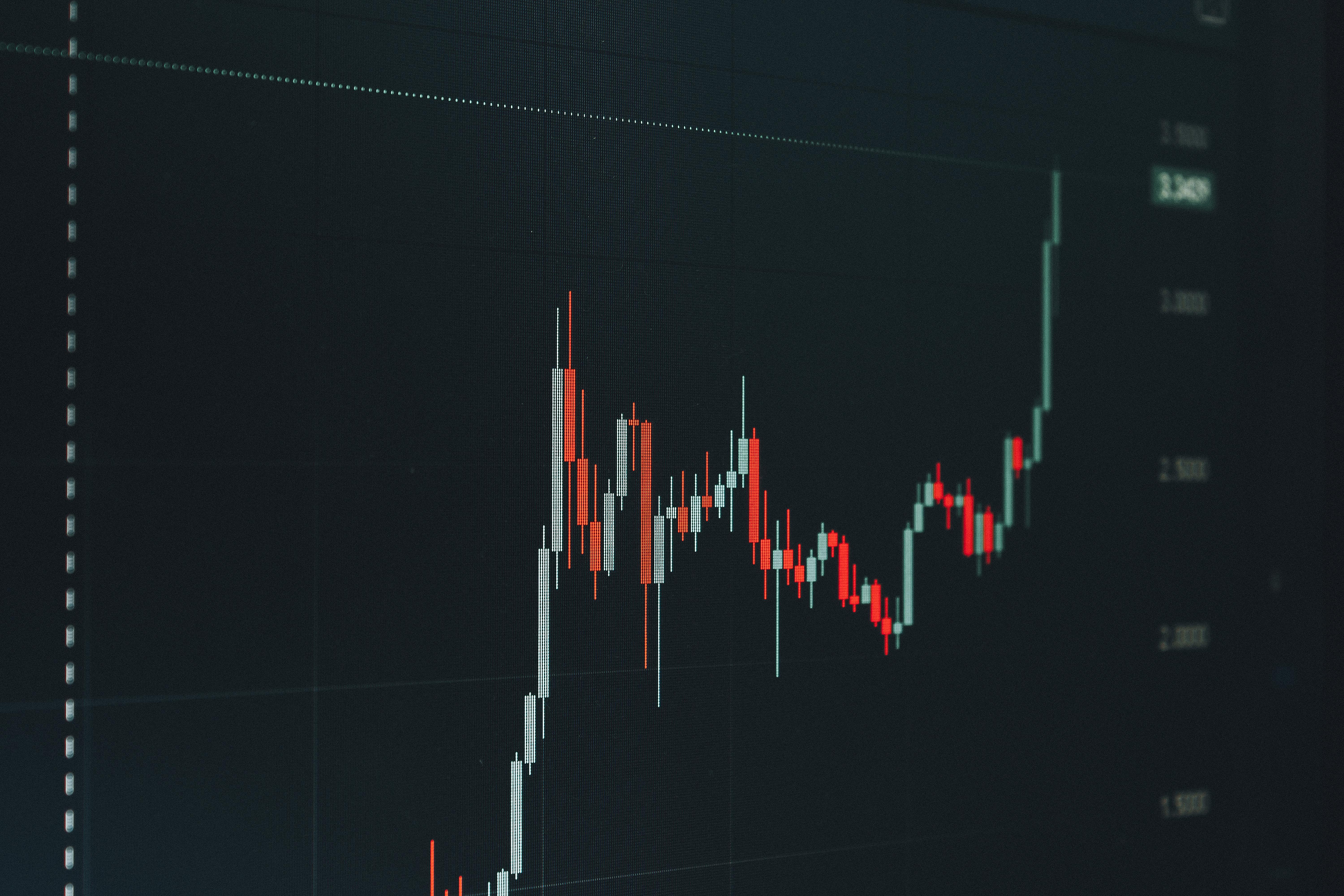
Understanding Prediction Markets: The Basics
Prediction markets are online platforms where users trade contracts—essentially bets—on the outcomes of real-world events. These markets let you buy and sell shares tied to binary results, like “Will Player X win the MVP?” or “Will inflation be above Y% this quarter?” Each share has a price between $0 and $1, which directly reflects the market’s estimate of the event’s probability. So, seeing a contract priced at $0.75 suggests the market thinks there’s a 75% chance the event occurs.
- Market-driven odds: Prices fluctuate with every trade—there’s no house setting the odds; instead, it’s demand and supply among users.
- Event resolution: All contracts resolve to a clear, verifiable outcome from trusted sources. Either you win the $1 payout or the share expires worthless.
- Trading flexibility: Users aren’t tied down to the contract’s final outcome; you can buy low and sell high anytime before the event concludes, profiting from swings in the market’s sentiment.
- Minimal fees: Instead of the high margins seen in some traditional gambling, most platforms take a small commission per trade.
How Prediction Markets Stand Apart from Traditional Online Gambling
When we talk about online casinos and sportsbooks, most people picture spinning slots or betting on fixed odds. Prediction markets switch things up significantly:
| Feature | Prediction Markets | Online Sportsbooks |
|---|---|---|
| Who sets the odds? | P2P market (prices set by user trades) | House (fixed odds, house edge) |
| Types of events | Sports, politics, economics, entertainment | Primarily sports, sometimes entertainment |
| Regulation | Federal oversight (in some regions) | State/local gambling laws (varies widely) |
| Trading | Can buy/sell anytime before event resolves | Mainly fixed bets, no reselling |
| House Take | Low commission per trade | House edge embedded in odds |
For those who love casino strategy, especially fans from our community at My Casino Lawyer, the appeal is clear—prediction markets resemble trading or investing, demanding skill, research, and risk management. It’s less about luck and more about insight, perhaps making it attractive if you’re someone who studies slots theme trends or optimizes your blackjack play.
The Growing Popularity of Prediction Markets
Why are prediction markets seeing so much attention? The real draw is their accuracy and transparency. Because users have a stake in the outcome, they’re often incentivized to place honest, well-researched bets, creating probabilities that sometimes outperform expert predictions and polls. If you’ve watched election forecasting or tracked sports events closely, you’ll know how dynamic and collective wisdom can trump traditional punditry.
- Coverage is widening: What started as bets on political outcomes now includes sports, entertainment, finance, and even pop culture.
- Cryptocurrency integration: Some platforms let you use crypto for fast, borderless bets, bringing younger and global audiences to the table.
- Peer-driven accuracy: Share prices can reflect late-breaking news or market shifts with agility, setting a new standard for unbiased odds.
In our experience reviewing casinos and following player feedback, we’ve seen curiosity about these markets spike, especially among players who want more involvement and less reliance on a house edge.

Legal Considerations, Risks, and What to Watch For
Just as with any online gambling activity, legality and risk management are front and center. In some countries, federally regulated platforms operate openly, while in others, the regulatory landscape is murky. For example, some US-based prediction markets are regulated by organizations like the CFTC, while others fall into grey areas, especially when offering bets that resemble sportsbooks.
- Watch for licensing: It’s essential to confirm a platform’s regulatory status. We always recommend looking for licensing information, similar to how we validate trusted online casinos.
- Risk of manipulation: Niche or low-volume markets can be influenced by a single user with a large position. Stick to events with high liquidity.
- Know your limits: Because these markets feel similar to trading, there’s a temptation to overextend. Diversify bets, start small, and set withdrawal routines.
- Consumer protections: Unlike many online casinos with responsible gambling tools, prediction markets may have fewer safeguards against compulsive behavior or fast losses.
Getting Started: A Practical Guide for Newcomers
Dipping your toe into prediction markets is straightforward, but a thoughtful approach pays off. Here’s how we’d recommend getting started:
- Choose a reputable platform: Look for sites with clear licenses and a wide event selection. Avoid platforms with unclear rules or opaque fee structures.
- Fund your account carefully: Most markets accept both fiat and crypto. Start with an amount you’re comfortable risking—typically, the minimum is low ($10-$20).
- Do your homework: Use news, stats, and market data to form your position. Avoid making impulse bets on hype alone.
- Test trading strategies: Try trading shares based on changing probabilities instead of holding until resolution. For example, buy at $0.40 and sell at $0.55 if public sentiment shifts.
- Practice risk management: Set boundaries, diversify across several event types, and don’t chase losses. Regularly review your performance, and make withdrawals a routine—not just an afterthought.
The Future: How Prediction Markets Could Change Online Gambling
Prediction markets are fostering a new kind of gambling—one that feels closer to investing, crowd-sourced analysis, and community engagement. Their integration with traditional casino experiences may not be far off, especially as regulatory frameworks evolve.
- No more hidden odds: Prices are set transparently by the crowd, not a single operator. This could influence how odds and payouts are structured even in standard online casinos.
- Broader event coverage: Users can bet on anything with a binary outcome, from box office results to politics. It’s a leap beyond just sports and slots.
- Potential for hybrid platforms: Some online casinos may add event trading elements or use prediction markets as new bonus mechanisms—think of diversified rewards, leaderboard competitions, or even special slot releases tied to event-based outcomes.
- Community-driven insight: As more players coordinate and collaborate, we’ll see more social- and skill-driven gambling, a trend we’re already witnessing in the rise of community casino features and player review sections (as discussed in our insights on social casino communities).
Final Thoughts
The rise of prediction markets is more than a passing trend. It’s changing the way we think about gambling, investing, and even how we value information in a digital world. At My Casino Lawyer, we’re committed to following these trends so our readers stay informed and ahead of the curve. Whether you’re a seasoned sports bettor, a slots enthusiast, or just curious about new forms of online play, understanding prediction markets is fast becoming a must-have skill.
If you want to explore more innovations in online gambling, don’t miss our latest reviews and updates on My Casino Lawyer. You’ll find honest discussions, trustworthy casino ratings, and deep dives into emerging trends shaping your gaming journey.